

 {:سابق}
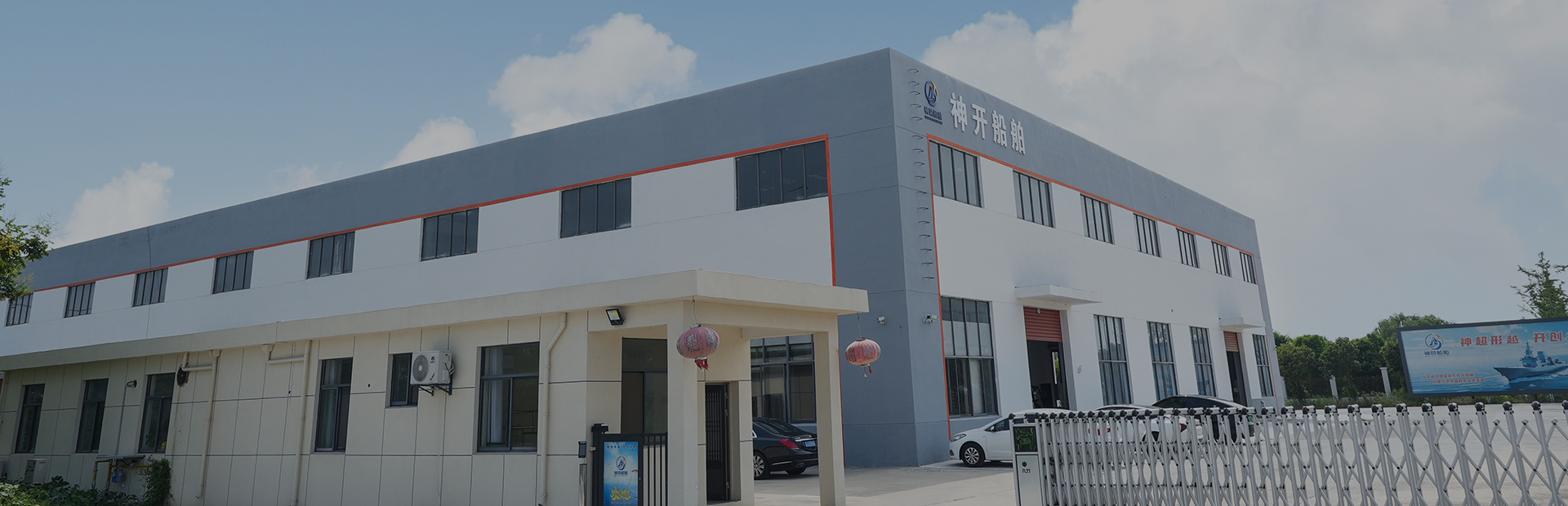
Jiangsu Shenkai Marine Equipment Co.,Ltd. الصين التقسيم البحري المقاوم للحريق موردون و التقسيم البحري المقاوم للحريق مصنعون، تصمم وتصنع المعدات البحرية. تشمل منتجاتها الحالية التبريد الجاهز البحري، أنظمة مجاري التهوية البحرية، الأغطية البحرية، الألواح المركبة البحرية، الحلول الداخلية البحرية، الأبواب المقاومة للحريق، أنظمة الوحدات الصحية، وغيرها من المنتجات والخدمات. تأسست الشركة في عام 2023، وتضع الابتكار التكنولوجي والتحسين المستمر كاستراتيجيتها الأساسية وقدرتها التنافسية الجوهرية. من خلال السعي والاستكشاف الدؤوب، تقدم منتجات عالية الجودة وخدمات شاملة. حاليًا، تمتلك الشركة قدرات فنية وإنتاجية وفيرة، حيث تنتج وتخدم حوالي 300 مجموعة من ألواح التبريد البحرية سنويًا. كما تتولى إنتاج وخدمة أنظمة مجاري التهوية والمشاريع الداخلية البحرية. الأداء التقني والخصائص الهيكلية وجودة منتجاتنا تلبي تمامًا متطلبات ومعايير الهندسة البحرية والبحرية. تُستخدم على نطاق واسع من قبل أحواض بناء السفن المحلية الكبرى وتضاهي المنتجات الدولية المماثلة. نقوم حاليًا بتصدير المنتجات بكميات كبيرة إلى دول مثل اليابان والفلبين وسنغافورة وكوريا الجنوبية وفيتنام والهند. تضع الشركة التركيز على العملاء وتسعى لتجاوز توقعاتهم، وتقديم خدمات دعم شاملة للمنتجات البحرية. نحن ملتزمون بالتعاون الوثيق مع الشركات المحلية والدولية، ومشاركة الموارد، وخلق نجاح مشترك.

product
التقسيم البحري المقاوم للحريق موردون
-
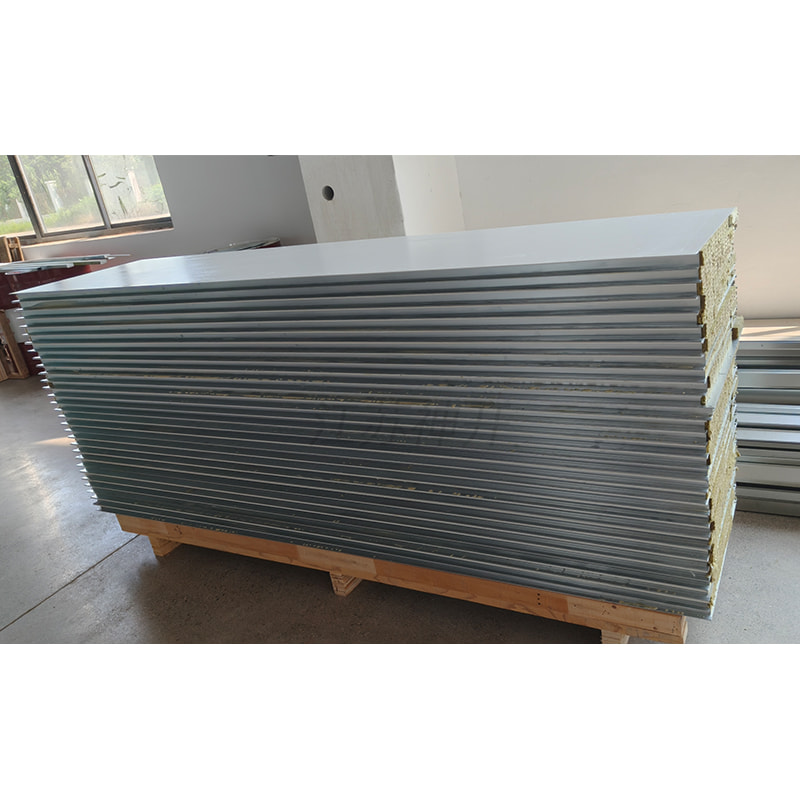
انحياز لوح الصوف الصخري المركب
ألواح المنتج مصنوعة من الصاج المجلفن المطلي بـ PVC وSUS30... -
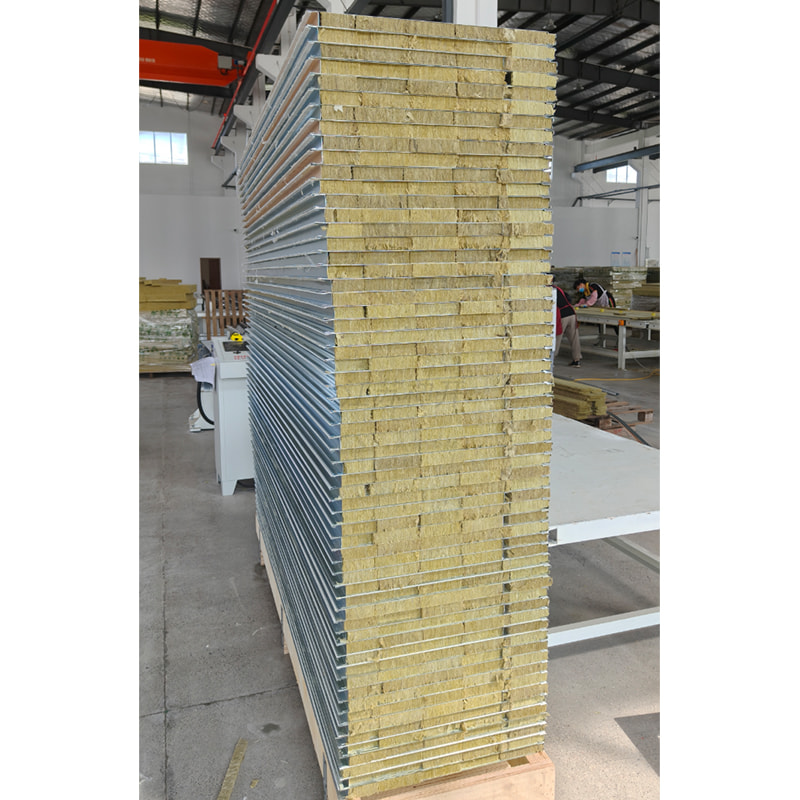
سقف لوحي من الصوف الصخري المركب
إن السقف المصنوع من الصوف الصخري المركب عبارة عن مادة مرك... -
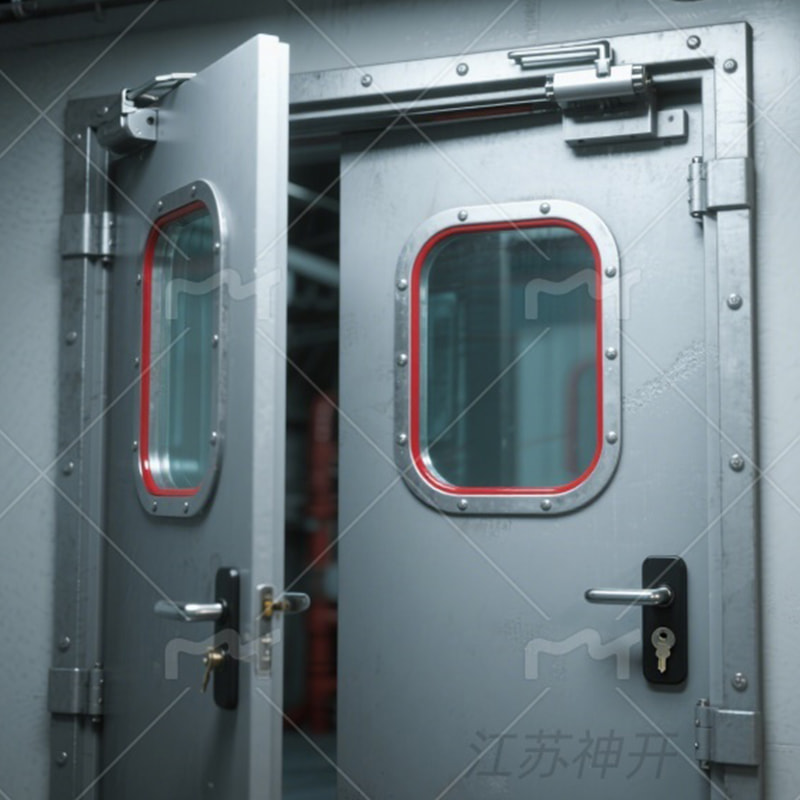
أبواب النار البحرية
إطار الباب وألواح الأبواب مصنوعة من صفائح فولاذية رقيقة م...
تنقسم سلسلة الأقسام المقاومة للحريق البحرية إلى أقسام من الفئة A والفئة B. عادة ما تكون ألواح الصوف الصخري المركبة عبارة عن أقسام من الفئة ب، في حين أن أبواب النار عادة ما تكون أقسام من الفئة أ. يتم استخدامها في المقام الأول لعزل مناطق الوصول إلى السفن، بما في ذلك غرف المحركات وأماكن الإقامة، وعنابر الشحن ومحطات التحكم، ومقصورات البطاريات. تتكون ألواح الصوف الصخري المركبة من صفائح معدنية مزدوجة الجوانب وصوف صخري، باستخدام مادة لاصقة صديقة للبيئة لا تطلق الفورمالديهايد أو غيرها من المواد الخطرة. جميع المكونات معتمدة من قبل جمعيات التصنيف. يتم تصنيع أبواب النار من الفولاذ ومواد الحشو من خلال عملية شاملة من القطع والثني واللحام والتعبئة ورش البلاستيك والتجميع. من خلال التكامل العميق بين علوم المواد والهندسة الإنشائية والتكنولوجيا الذكية، تتحول سلسلة الحواجز البحرية المقاومة للحريق من "الحماية السلبية من الحرائق" إلى "الوقاية والسيطرة النشطة". في المستقبل، مع الاعتماد الواسع النطاق للسفن التي تعمل بوقود الهيدروجين وأنظمة الدفع الكهربائية بالكامل، ستحتاج الأقسام المقاومة للحريق إلى تعزيز أدائها الشامل، بما في ذلك مقاومة الانفجارات ومقاومة التداخل الكهرومغناطيسي، لتوفير دعم فني أكثر موثوقية للسلامة البحرية العالمية.
حول
Jiangsu Shenkai Marine Equipment Co.,Ltd.
أخبار
-
مقدمة إلى القناة الحلزونية البحرية في بيئة الصناعة البحرية المتطلبة، تعد أنظمة توزيع الهواء والعادم الموثوقة أمرًا بالغ الأهمية لضمان السلامة والراحة والك...
اقرأ المزيد -
مقدمة في عالم اليوم المعولم، أصبح الطلب على تبريد السفن الفعال والموثوق أكثر أهمية من أي وقت مضى. مع استمرار نمو التجارة الدولية، يتطلب نقل البضائع -...
اقرأ المزيد -
1. مقدمة ل ألواح التخزين البارد البحرية ودورها في حفظ المأكولات البحرية تعد ألواح التخزين البارد البحرية عنصرًا أساسيًا في ضمان ...
اقرأ المزيد
سلسلة التقسيم البحري المقاوم للحريق معرفة الصناعة
Is the marine fire-resistant partition series recyclable or environmentally friendly at the end of its use?
Understanding the Marine Fire-Resistant Partition Series
The marine fire-resistant partition series refers to structural panels and systems used onboard ships to provide separation between compartments, enhance fire safety, and support the overall structural integrity of vessels. These partitions are designed to resist the spread of fire, maintain stability during high temperatures, and comply with the strict international maritime regulations established by organizations such as the International Maritime Organization (IMO). The construction materials used for these partitions often include steel facings, mineral wool cores, or other composite elements. While their functional purpose is primarily safety, questions are increasingly being raised about whether these partitions are recyclable or environmentally friendly at the end of their operational life.
Composition of Marine Fire-Resistant Partitions
Marine fire-resistant partitions are composed of multiple layers designed to balance fire protection, durability, and ease of installation. Typically, the structure consists of an outer facing layer, usually made of steel or aluminum, and an inner core, which may be mineral wool, phenolic foam, or another fire-resistant material. Adhesives and bonding layers are often used to join these elements. This composite design enhances fire resistance but can complicate recycling, as separating the materials is not always straightforward. The complexity of composition is one of the key factors that influence environmental performance at the end of the product's lifecycle.
Recyclability of Steel and Metal Facings
One of the more recyclable components of marine fire-resistant partitions is the steel or aluminum facing. Metals are widely recycled materials, and global infrastructure already supports large-scale collection and reprocessing. Steel facings, when removed properly, can be melted down and reused in new products without significant loss of performance. Aluminum is also highly recyclable and can be repurposed into new construction materials. However, effective recycling depends on the ability to separate these facings from insulation cores and adhesives, which can sometimes require specialized dismantling techniques.
Challenges of Recycling Insulation Cores
The insulation cores of marine fire-resistant partitions, particularly those made from mineral wool or phenolic foams, present challenges in terms of recycling. Mineral wool is non-combustible and stable, but it is difficult to recycle into new mineral wool products due to contamination and fiber degradation during removal. It can, however, sometimes be used as filler in construction applications or in aggregates. Phenolic foams and other synthetic materials pose additional challenges, as they may degrade chemically over time, limiting their reuse potential. These materials often end up in landfill unless specialized recycling processes are developed.
Adhesives and Bonding Agents as Barriers to Recycling
The adhesives and bonding agents that hold marine fire-resistant partitions together play a critical role in structural integrity but hinder recyclability. These adhesives often form strong chemical bonds that make it difficult to separate metal facings from insulation cores. Mechanical separation methods can damage materials, while chemical separation processes may be energy-intensive or environmentally unfriendly. As such, adhesives contribute to the overall complexity of recycling and remain one of the key factors limiting full recyclability of these systems.
Environmental Impact of Disposal
At the end of their use, marine fire-resistant partitions generate waste that must be managed responsibly. If not recycled, much of this waste may end up in landfills or incinerators, both of which pose environmental concerns. Landfill disposal takes up space and can lead to long-term environmental issues, while incineration may release pollutants depending on the materials involved. For this reason, efforts are being made to identify alternative disposal methods, such as partial recycling or repurposing components for secondary applications in construction or insulation industries.
Comparison of Partition Core Materials in Terms of Recyclability
Different core materials used in marine fire-resistant partitions exhibit varying levels of recyclability and environmental impact. The table below provides a comparative overview of common core materials:
| Core Material | Recyclability Potential | Environmental Considerations |
|---|---|---|
| Mineral Wool | Limited recyclability; possible use as filler material | Non-combustible, stable, but energy-intensive to produce |
| Phenolic Foam | Difficult to recycle; limited reuse potential | May release emissions during incineration |
| Polyisocyanurate Foam | Recycling under development; currently limited | Flame-retardant additives complicate disposal |
| Hybrid Composite Materials | Complex separation makes recycling difficult | Potential environmental concerns if incinerated |
Life Cycle Assessment and Environmental Performance
Life Cycle Assessments (LCA) are often used to evaluate the environmental performance of marine fire-resistant partitions. An LCA considers all stages of the product’s life, from raw material extraction and manufacturing to use and end-of-life disposal. Panels with recyclable metal facings typically perform better in terms of LCA outcomes, as the ability to recycle steel and aluminum offsets some of the environmental burden. However, insulation cores remain a limiting factor, as most are not fully recyclable and add to waste streams. These assessments highlight the need for more sustainable material innovation in the sector.
Developments in Eco-Friendly Alternatives
Manufacturers are increasingly exploring eco-friendly alternatives for marine fire-resistant partitions. Some developments include the use of bio-based foams, recyclable adhesives, and improved mineral wool formulations that allow partial reuse. In addition, advances in modular construction methods may enable easier disassembly and separation of components, improving recyclability. Research into sustainable coatings and non-toxic flame-retardant technologies also supports the broader goal of reducing environmental impact while maintaining compliance with fire safety standards.
Compliance with Environmental Regulations
Marine fire-resistant partitions must not only meet safety standards but also comply with environmental regulations. Organizations such as the European Union enforce directives on waste reduction, recycling, and the restriction of hazardous substances. Shipbuilding companies and partition manufacturers must consider these regulations when designing products. The increasing emphasis on circular economy principles in Europe and other regions encourages greater recyclability and reduced waste, driving innovation in marine materials. Compliance with such regulations ensures that these partitions contribute to both safety and sustainability goals.
Recycling Infrastructure and Practical Challenges
Even if marine fire-resistant partitions are designed with recyclability in mind, the practical implementation depends on recycling infrastructure. Ports, shipyards, and recycling facilities must have the capability to dismantle and process these panels effectively. Currently, infrastructure for large-scale recycling of composite marine panels is limited, leading to reliance on landfill disposal. Expanding infrastructure and developing new recycling technologies are necessary steps for enabling a more sustainable approach to end-of-life management of these partitions.
Cost Considerations in Recycling and Sustainability
Cost is another factor influencing whether marine fire-resistant partitions are recycled or disposed of. Recycling processes, particularly when separation of materials is required, may be more expensive than disposal. Ship operators and shipyards must weigh these costs against regulatory requirements and corporate sustainability goals. While recycling may involve higher upfront costs, it can contribute to long-term benefits such as reduced environmental liability, compliance with stricter regulations, and improved corporate image in terms of environmental responsibility.
Opportunities for Secondary Applications
In cases where full recycling is not possible, marine fire-resistant partitions may still find secondary applications. For instance, mineral wool removed from panels can sometimes be crushed and used as aggregate in construction projects. Metal facings may be reused in non-structural applications if separation is feasible. These secondary uses extend the lifecycle of materials and reduce the overall environmental burden associated with disposal. Expanding research into secondary applications may provide a practical bridge between current disposal methods and future full recyclability.
Comparison of Recycling Feasibility Across Partition Components
To provide clarity on the recyclability of different partition components, the table below summarizes the feasibility of recycling various elements of marine fire-resistant partitions:
| Component | Recycling Feasibility | End-of-Life Options |
|---|---|---|
| Steel Facings | High | Recycled into new steel products |
| Aluminum Facings | High | Recycled into new aluminum products |
| Mineral Wool Core | Moderate | Reuse as filler material; landfill if contaminated |
| Phenolic Foam Core | Low | Landfill or incineration |
| Adhesives/Bonding Agents | Very Low | Disposal through landfill or incineration |
Future Outlook for Sustainable Marine Partitions
The future of marine fire-resistant partitions lies in innovation toward greater sustainability and recyclability. Manufacturers are investing in research to create single-material or easily separable composite structures that simplify recycling. The use of environmentally friendly adhesives and recyclable insulation cores is also gaining attention. Furthermore, regulatory frameworks are expected to become stricter, encouraging faster adoption of eco-friendly materials and processes. As technology advances, marine fire-resistant partitions are likely to evolve into products that meet both fire safety and environmental standards, aligning with the broader goals of the maritime industry in sustainability and waste reduction.
حقوق النشر © Jiangsu Shenkai Marine Equipment Co.,Ltd. جميع الحقوق محفوظة.
